
Shop Premium Plants
Browse our extensive collection of premium tropical plants, aroids, and rare ornamental plants.
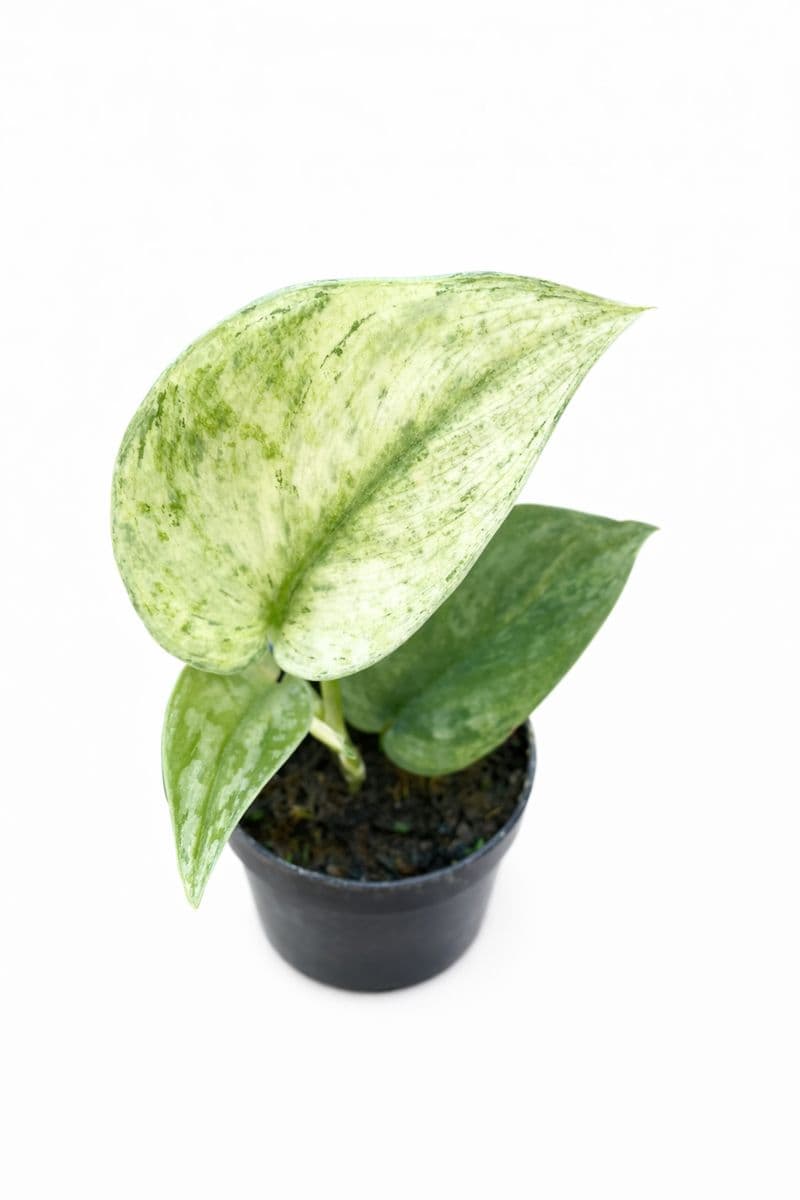
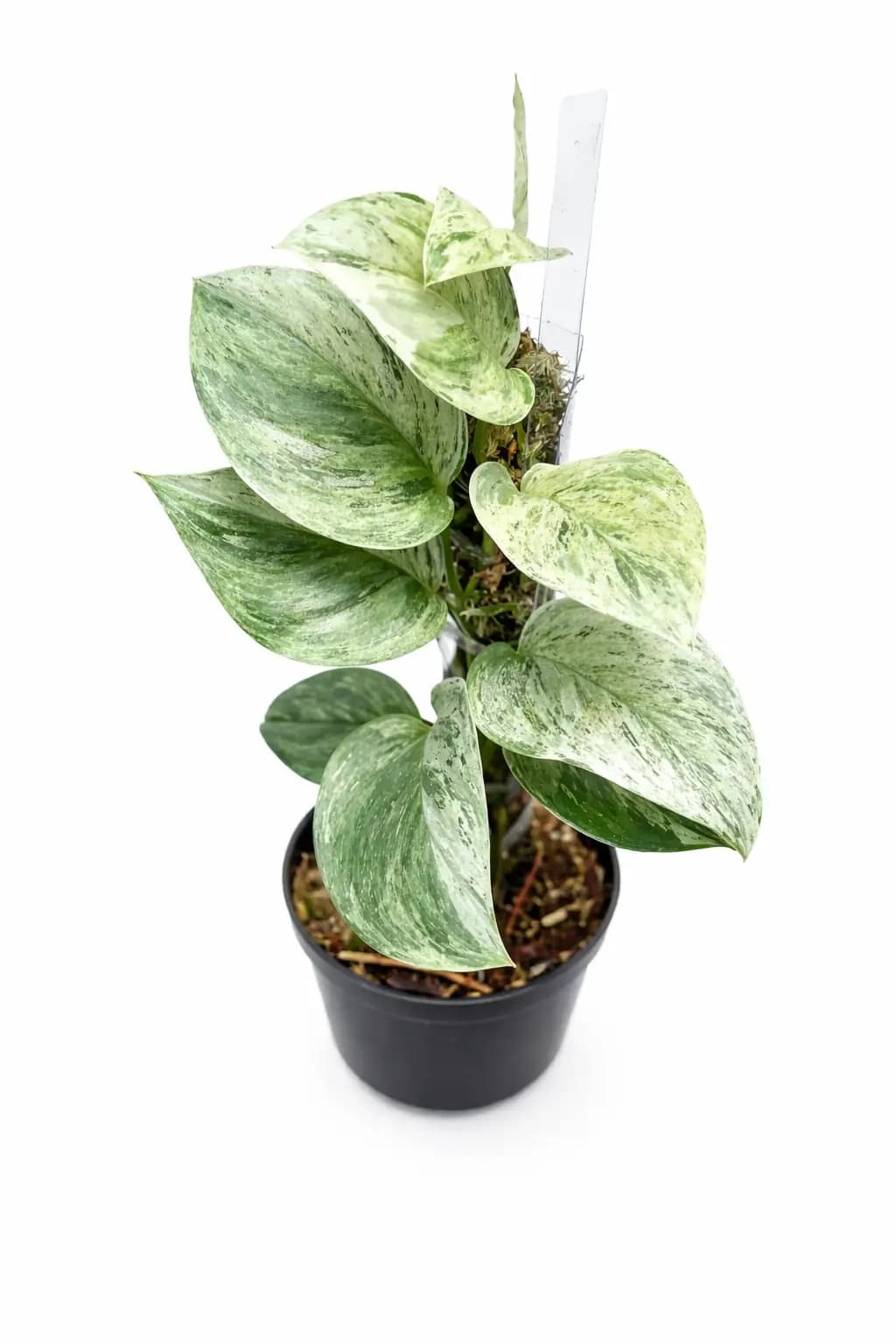
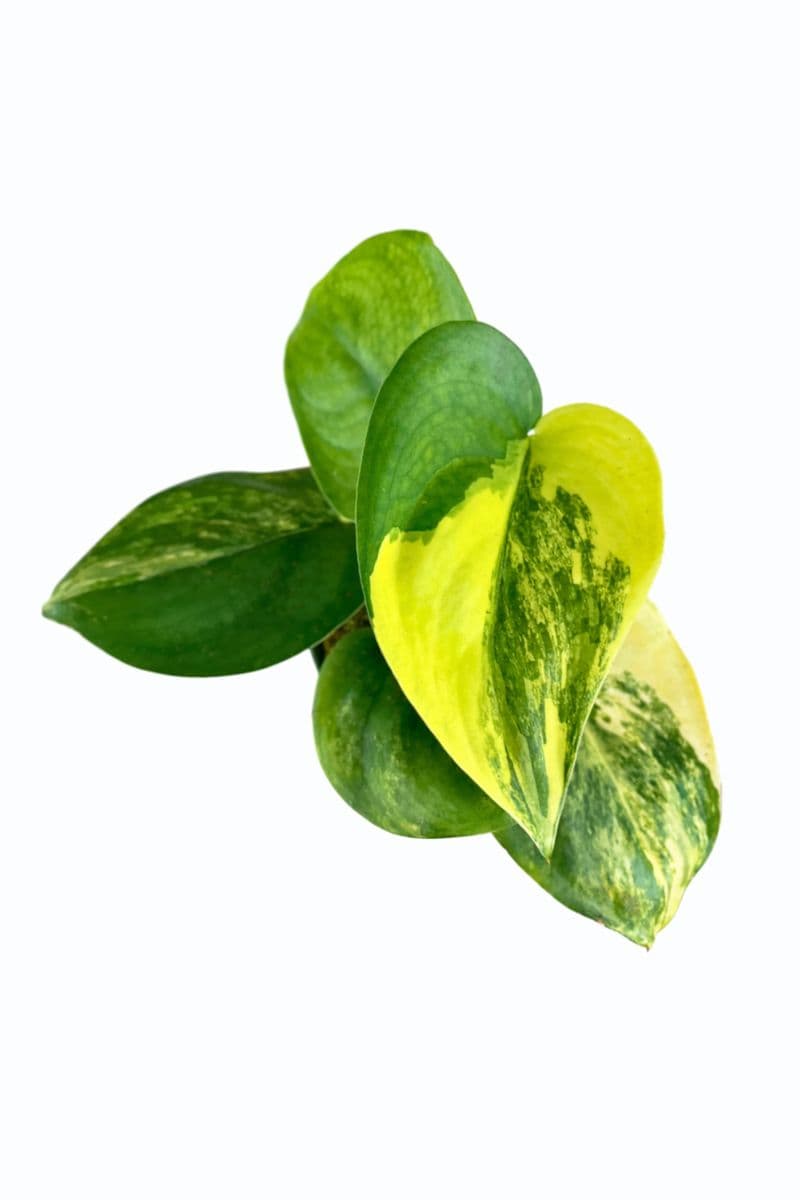
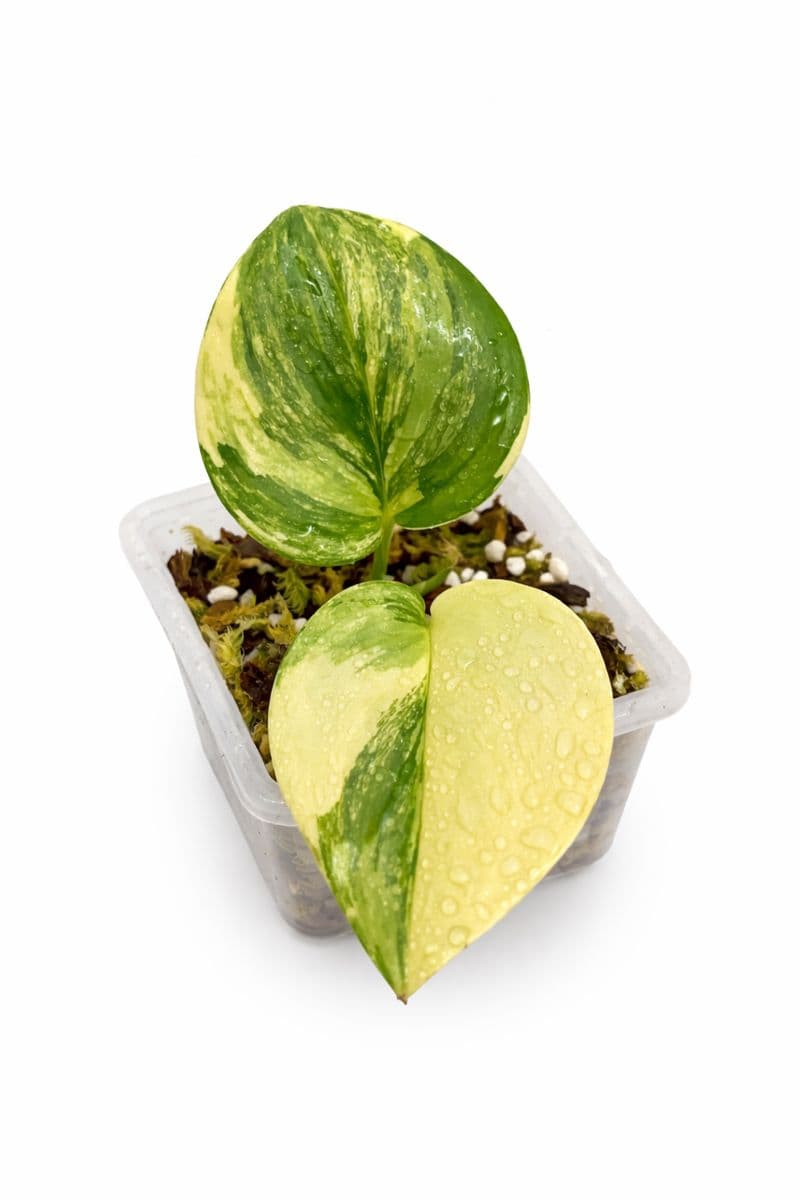
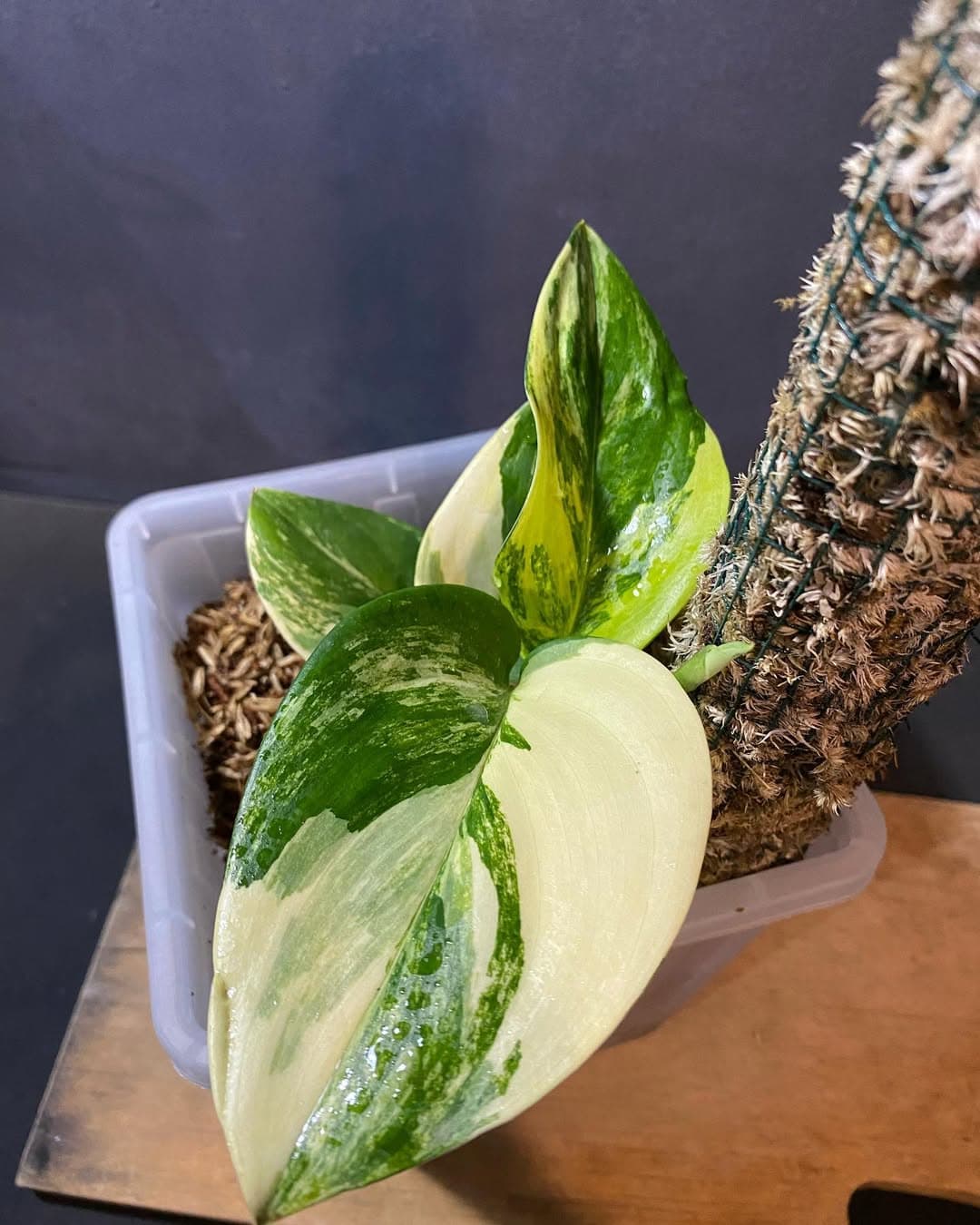
Scindapsus treubii moonlight marble variegated
Scindapsus
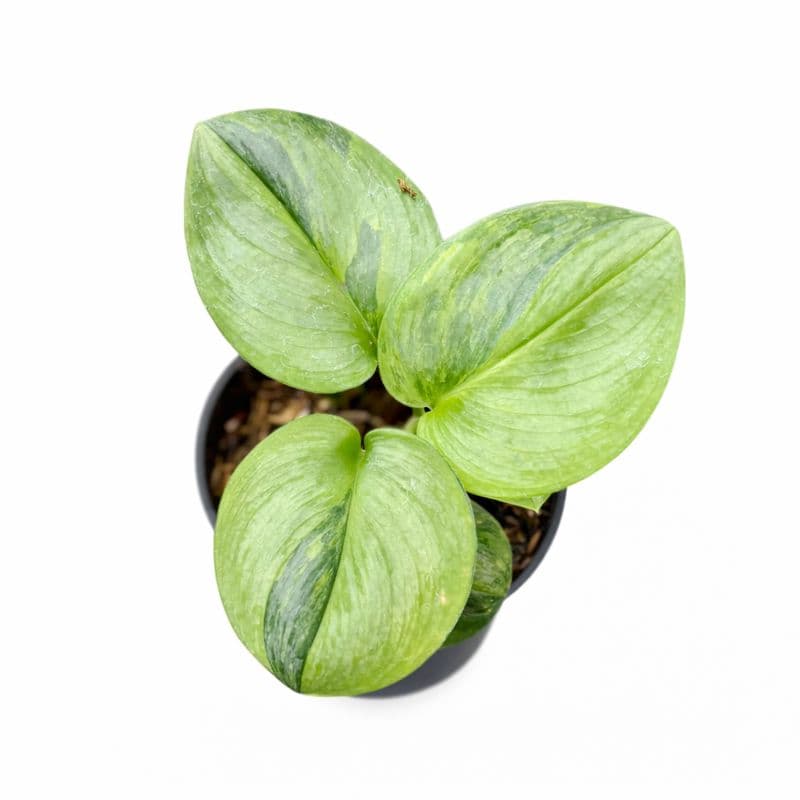
Scindapsus moonlight green on green variegated
Scindapsus
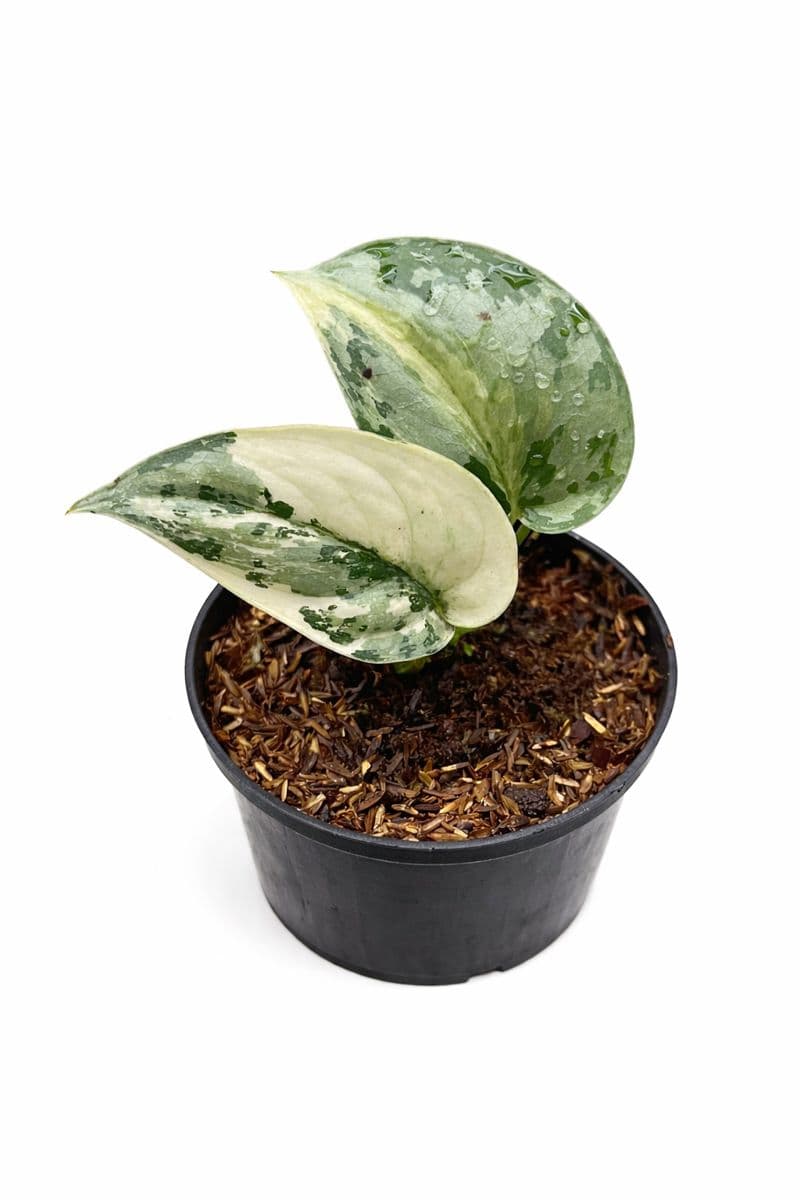

Scindapsus Variety
The Scindapsus Spotlight: Best Varieties and Easy Care Tips
If you are looking for a trailing plant that shimmers like jewelry, look no further than the Scindapsus. Often mistaken for the common Pothos (Epipremnum), the Scindapsus is a distinct genus known for one stunning feature: silvery, metallic variegation.
Commonly called "Satin Pothos" or "Silver Vine," this plant is a favorite among interior designers and plant parents alike. It is elegant, forgiving, and arguably one of the most beautiful vining plants you can own.
Here is a simple guide to the top Scindapsus varieties and how to keep them sparkling.
Why Choose a Scindapsus?
Scindapsus plants are the perfect upgrade from the standard green houseplant. Their leaves often have a satin-like texture that glitters in the light. They are fantastic communicators—they will physically tell you when they are thirsty by curling their leaves, making them great for beginners who struggle with watering schedules.
3 Must-Have Scindapsus Varieties
While there are many rare collector forms, these three are widely available and offer the best "bang for your buck" in terms of beauty:
1. Scindapsus Pictus 'Argyraeus' (Satin Pothos)
The classic variety found in most nurseries.
- The Look: Small, heart-shaped leaves that are matte green with defined silver spots and a silver rim around the edge.
Why You’ll Love It: It grows quickly and looks amazing cascading from a hanging basket or a high shelf.
2. Scindapsus Pictus 'Exotica'
The "big sister" to the Argyraeus.
- The Look: Massive, lance-shaped leaves. The variegation is intense—large splashes of silver cover almost 60-70% of the leaf surface.
- Why You’ll Love It: It looks incredibly lush and tropical. A single pot of 'Exotica' makes a bold statement piece.
3. Scindapsus Treubii 'Moonlight'
A trendy variety that looks sleek and modern.
- The Look: Unlike the spotted pictus varieties, the 'Moonlight' has leaves that look like solid sterling silver with a slight green undertone. The texture is smooth and glossy.
- Why You’ll Love It: It has a unique, almost metallic ghostly appearance that stands out against other green plants.
Simple Tips for Scindapsus Care
Scindapsus are low-maintenance, but they have specific preferences. Follow these 3 tips to keep the silver shining:
- Light (The Shimmer Factor): These plants thrive in bright, indirect light. While they can tolerate lower light, they will lose their beautiful silver variegation and revert to plain green if kept in the dark.
- Watering (Watch for the Curl): This is the most important rule: Wait until the leaves curl slightly inward before watering. Scindapsus are very susceptible to root rot if watered too often. When the leaves curl, it means the plant is thirsty. Water it deeply, and the leaves will unfurl within hours.
- Humidity: While they tolerate average home humidity, they love moisture. A little extra humidity will encourage the leaves to grow larger and help the aerial roots attach if you want them to climb a pole.